
The Rise of 'Pro-Summer' Business Models: How Professional-Grade Tools and Services are Revolutionizing Small Enterprises
Introduction
In the past, cutting-edge technology and sophisticated business tools were the exclusive domain of large enterprises. Small businesses often had to make do with scaled-down versions or expensive alternatives. However, the landscape is changing rapidly. The emergence of the "Pro-Summer" model—where professional-grade tools and services are now available to smaller players—has been transforming how small enterprises operate. This article explores how this shift is revolutionizing small businesses, the tools driving this change, and the implications for the future of business.
1. Understanding the 'Pro-Summer' Model
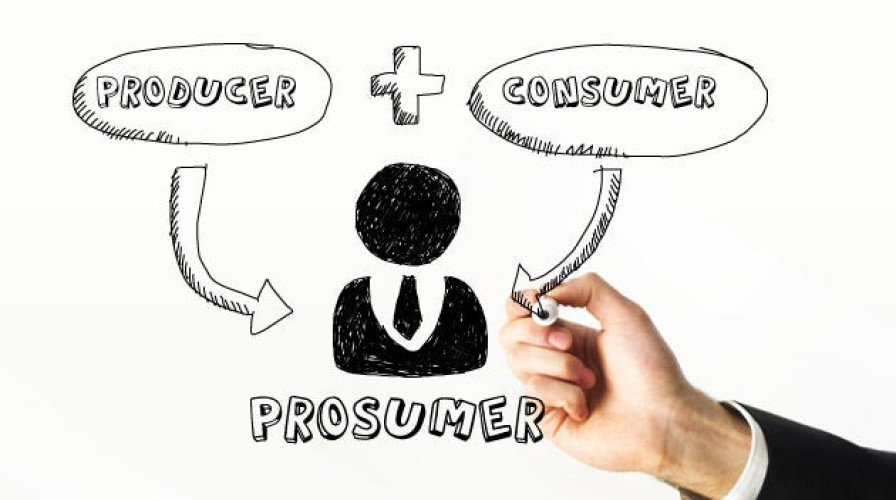
The term "Pro-Summer" merges "professional" and "consumer," reflecting the phenomenon where advanced, high-quality tools designed for professional use are now accessible to consumers and small businesses. Unlike traditional business models that segmented professional tools for large enterprises and basic tools for smaller players, the Pro-Sumer approach offers sophisticated solutions at more affordable prices, often through subscription-based models or scalable cloud services.
2. Tools Driving the Pro-Sumer Revolution
a. Cloud Computing and SaaS Platforms
Cloud computing has democratized access to high-powered tools. Software-as-a-Service (SaaS) platforms provide small businesses with access to enterprise-level solutions without the need for hefty upfront investments. Examples include:
- CRM Systems: Tools like Salesforce and HubSpot offer advanced customer relationship management features that were previously available only to large companies.
- Accounting Software: QuickBooks and Xero provide comprehensive accounting features with real-time financial analytics and reporting.
b. AI and Machine Learning
Artificial Intelligence (AI) and machine learning are becoming increasingly accessible. Tools like Google's TensorFlow or Microsoft's Azure AI provide small businesses with capabilities for predictive analytics, natural language processing, and automation that can enhance customer experience and operational efficiency.
c. Advanced Design and Marketing Tools
Graphic design and marketing tools have become more accessible, allowing small businesses to produce high-quality content without the need for large budgets. Examples include:
- Adobe Creative Cloud: Offers professional design, video editing, and web development tools.
- Canva Pro: Provides advanced design capabilities with user-friendly interfaces for non-designers.
d. E-Commerce and Supply Chain Solutions
Platforms like Shopify and WooCommerce have simplified setting up online stores with professional-grade features, while tools like ShipBob and Flexport streamline logistics and supply chain management for small businesses.
3. Impact on Small Enterprises
a. Enhanced Competitiveness
Small businesses now have access to the same tools that enable larger competitors to operate efficiently. This level playing field allows small enterprises to innovate, scale, and compete more effectively in their markets.
b. Increased Efficiency and Productivity
With professional-grade tools, small businesses can automate tasks, analyze data more effectively, and streamline operations. This leads to significant improvements in efficiency and productivity, enabling businesses to do more with less.
c. Improved Customer Experience
Advanced tools for analytics, CRM, and marketing allow small businesses to offer personalized and high-quality customer experiences. By leveraging these tools, small enterprises can build stronger relationships with their customers and drive loyalty.
d. Cost-Effectiveness
The shift to subscription-based and scalable models makes it more affordable for small businesses to access high-quality tools. This reduces the need for large capital investments and allows for better financial management.
4. Challenges and Considerations
a. Over-Reliance on Technology
While advanced tools offer numerous benefits, there is a risk of over-reliance on technology. Small businesses must ensure they do not become overly dependent on any single tool or provider.
b. Data Privacy and Security
With increased use of cloud-based and AI tools, small businesses must be vigilant about data privacy and security. Ensuring compliance with regulations like GDPR and protecting customer data are critical considerations.
c. Skill Requirements
Professional-grade tools often come with a learning curve. Small businesses need to invest in training and development to fully leverage these tools and avoid potential pitfalls.
5. The Future of the Pro-Summer Model
The Pro-Summer trend is likely to continue evolving as technology advances and becomes even more accessible. Small businesses will increasingly have the opportunity to harness the power of sophisticated tools to drive innovation, enhance competitiveness, and deliver exceptional customer experiences. As the landscape shifts, businesses must stay agile and adapt to new technologies to stay ahead.
The rise of the Pro-Summer business model represents a significant shift in the business world. By making professional-grade tools and services available to small enterprises, this model is transforming how small businesses operate and compete. Embracing these advancements can provide small enterprises with the edge they need to thrive in an increasingly competitive landscape. As technology continues to evolve, the potential for innovation and growth in small businesses will only expand, driving a new era of entrepreneurial success.
Related Tag :